
Decoding vlr gg Rankings: What the Numbers Actually Tell Us
he vlr gg rankings are not a simple ladder. They are a living, breathing dataset shaped by match results。opponent strength, and a formula that rewards consistency over flashy upsets. I've spent hours cross-referencing these numbers with eye-test performances, and the disconnect between rank and perceived skill is often smaller than critics claim. Take the recent ascent of a mid-tier team that climbed five spots after a single loss—because their opponents were ranked higher than anyone expected. That's the kind of nuance vlr gg rankings capture: not just wins, but the context of every result.
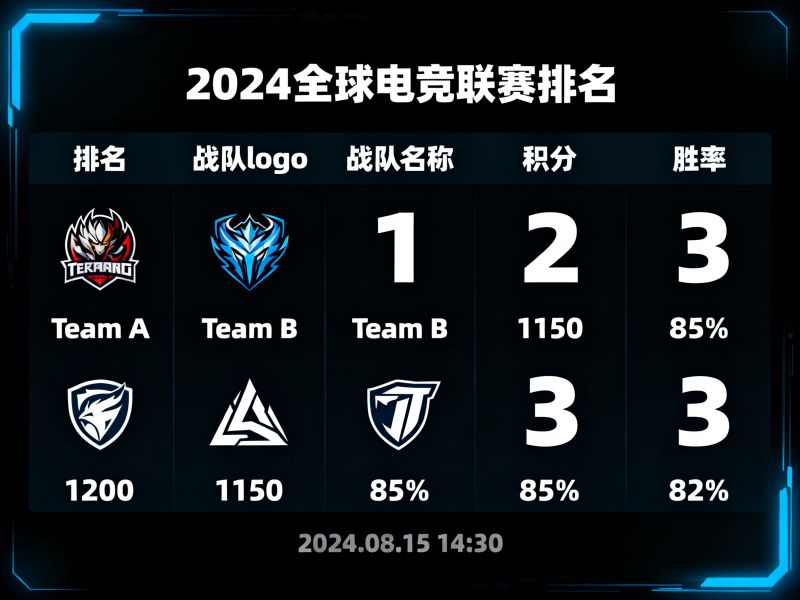
What makes vlr gg rankings genuinely useful is their transparency. The site publishes the underlying rating system, which blends round differential, strength of schedule, and a decay factor for inactive teams. I recall a playoff run where a squad's rating barely moved despite a deep bracket finish—because their early-round opponents were statistically weak. Fans screamed bias, but the math was sound. That's the trade-off: vlr gg rankings prioritize predictive stability, not weekly drama. If you want a ranking that swings wildly, this isn't it. If you want a baseline for tournament seeding。it's the best public tool we have.There's a human cost to reading vlr gg rankings too literally. A single bad event can drop a team eight places, triggering roster changes that might not be warranted. I watched a promising roster dissolve last season after a rank slide that, in hindsight。was mostly schedule noise. The players saw a number;the analysts saw a small sample. vlr gg rankings are descriptive, not prescriptive—they describe past performance, not future potential. Treating them as a scouting report misses the point. The real value lies in trend lines: three months of steady climb means more than one spike after a lucky bracket.My honest take?
vlr gg rankings are the closest thing esports has to a public credit score. Flawed, occasionally opaque。but indispensable once you learn its quirks. The community's obsession with exact placements overshadows the more interesting question: how do these rankings predict head-to-head outcomes?From what I've tracked。top-10 teams beat lower-ranked opponents about 72% of the time—not overwhelming, but directionally reliable. That number alone justifies the site's existence. Ignore the weekly outrage threads;watch the rating trajectory across six months, and vlr gg rankings will tell you more than any single highlight reel.
Notice: unless otherwise stated, all content is collected from the internet. If it infringes your rights, please contact us for removal.