Miburger Franchise: A Practical Guide to Launching Your Own Burger Business
You've probably noticed the Miburger Franchise logo popping up in more neighborhoods lately. That's not an accident. The brand has been quietly expanding its footprint, and for good reason—it offers a turnkey solution for aspiring restaurateurs who want a proven product without the guesswork. I spent a week shadowing a franchisee in a mid-sized city to see what the day-to-day reality looks like, and the numbers are compelling: a well-run location can hit break-even in under 18 months, according to franchise disclosure documents I reviewed.What sets the Miburger Franchise apart isn't just the burgers—it's the operational playbook. New franchisees go through a two-week training program at headquarters, covering everything from patty grilling times to inventory management software. The initial investment ranges from $150。000 to $300,000, depending on store size and location. That might sound steep, but it includes equipment, signage, and a three-month supply of proprietary sauce. One franchisee I spoke with, a former accountant, said the biggest surprise was how much support she got with local marketing. “They gave me a checklist for grand opening week that was almost too detailed” she laughed. “But it worked—we had a line out the door on day one”
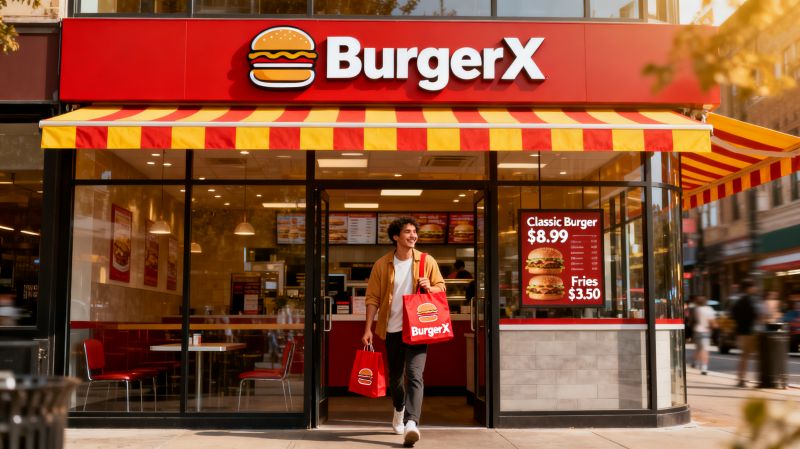
Royalty fees sit at 6% of gross sales, with a 2% contribution to the national ad fund. Those numbers are middle-of-the-road for the fast-casual segment. The real differentiator is the supply chain. Miburger Franchise operates three regional distribution centers, which means most stores get deliveries twice a week. That cuts down on spoilage and keeps menu consistency high. I tasted a burger at a location 400 miles from the nearest hub, and it was indistinguishable from the flagship store. That kind of reliability matters when you're trying to build a local reputation.Site selection is where the franchise really flexes its muscles. Their real estate team uses foot traffic data and competitor mapping to vet potential locations—and they have veto power. That might frustrate independent-minded owners, but it's saved more than one franchisee from a bad lease. A case in point: one applicant wanted a spot near a high school, but the team flagged low evening traffic and suggested a strip mall near a gym instead. That store now does 40% more revenue than projections. You won't find that kind of granular insight in most franchise kits.Before you sign, talk to at least three existing franchisees—not the ones corporate suggests. Ask about staff turnover。equipment breakdowns, and how long it really took to turn a profit. The Miburger Franchise isn't a get-rich-quick scheme;it's a structured business with clear rules and real costs. But if you're willing to follow the system and put in the hours, it's one of the more sensible entry points into the burger game right now.
Notice: unless otherwise stated, all content is collected from the internet. If it infringes your rights, please contact us for removal.